

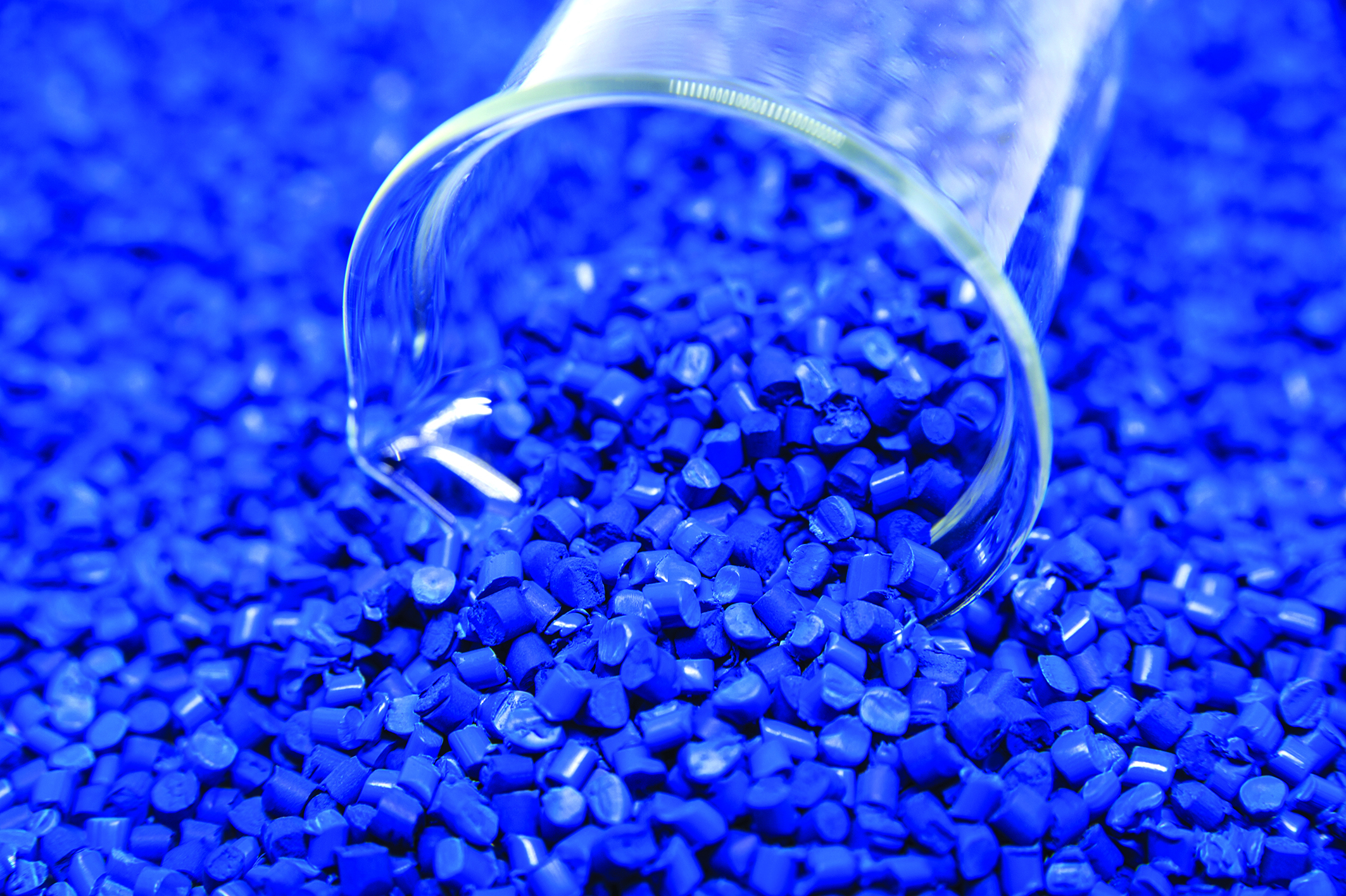
Masterbatch is a solid or liquid additive used in the plastic manufacturing industry to impart color or other properties to polymers. It is a concentrated mixture of pigments, additives, and carrier resins that allows manufacturers to create a uniform, high-quality final product. Masterbatches are widely used in industries such as packaging, automotive, construction, and consumer goods.
Understanding the masterbatch manufacturing process is crucial for ensuring product consistency, efficiency, and optimal performance. This article delves into the step-by-step production process, the different types of masterbatches, and their applications.
1. Understanding Masterbatch and Its Importance
The masterbatch process plays a vital role in plastic production by offering various benefits, such as:
- Uniform Distribution of Pigments and Additives: Ensures even colouring and functional properties.
- Enhanced Processing Efficiency: Allows precise control over the properties of plastic products.
- Cost-Effectiveness: Reduces wastage by optimising raw material usage.
- Environmental Benefits: Lowers the need for excessive pigment usage and improves recyclability.
2. Key Ingredients in Masterbatch Manufacturing
The composition of a masterbatch depends on its intended use. However, the primary components include:
- Base Polymer (Carrier Resin): Acts as a medium to disperse pigments and additives (e.g., polyethylene, polypropylene, polystyrene, or EVA).
- Pigments or Dyes: Provide color to the plastic material (organic, inorganic, or metallic pigments).
- Additives: Enhance properties such as UV resistance, flame retardancy, or antimicrobial features.
- Dispersion Aids: Ensures proper mixing and even distribution of ingredients.
3. Step-by-Step Masterbatch Manufacturing Process
Step 1: Raw Material Selection and Pre-Mixing
The process begins with selecting high-quality raw materials. The choice of base resin, pigments, and additives depends on the required application. The ingredients are accurately weighed and pre-mixed to ensure an even blend before processing.
Step 2: Compounding and Extrusion
- The blended raw materials are fed into an extruder.
- The extruder applies heat and mechanical shear to melt and mix the ingredients.
- The molten material is homogenized under controlled conditions to achieve a consistent dispersion of pigments and additives.
Step 3: Cooling and Pelletization
- The extruded mixture is cooled using water or air cooling methods.
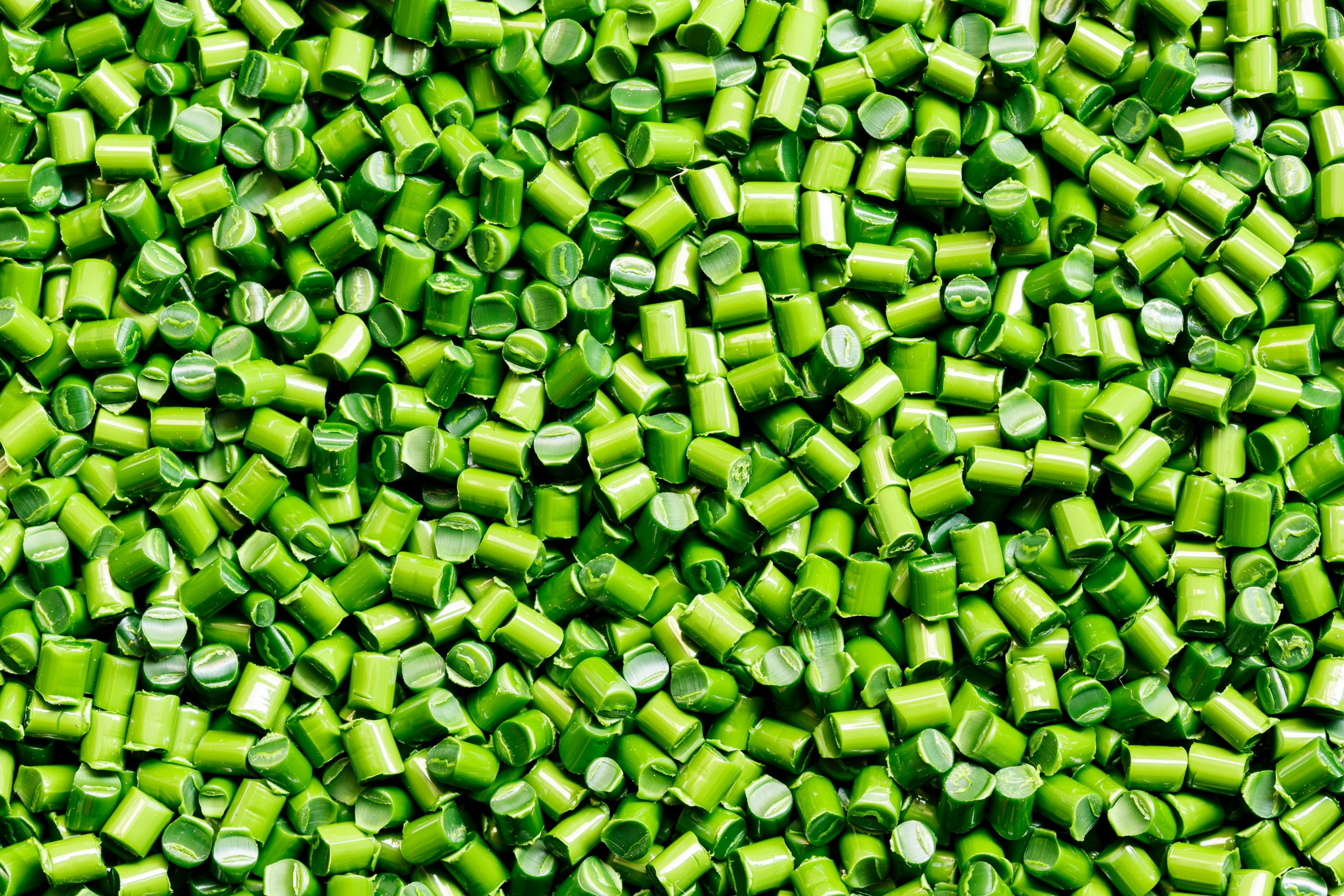
- The cooled strands are then cut into uniform granules or pellets.
- These pellets form the final masterbatch, ready for further testing and packaging.
Step 4: Quality Control and Testing
To ensure the masterbatch meets industry standards, rigorous testing is performed, including:
- Color Consistency Analysis (Spectrophotometry)
- Melt Flow Index (MFI) Testing
- Thermal Stability Tests
- Dispersibility and Performance Tests
4. Types of Masterbatch
Masterbatch is classified into different types based on its function:
Colour Masterbatch:
- Provides uniform coloration in plastics.
- Available in various shades depending on requirements.
Additive Masterbatch:
- Enhances specific properties like UV protection, anti-static behavior, or flame retardancy.
White Masterbatch:
- Contains high-quality titanium dioxide (TiO₂) for opacity and brightness.
Black Masterbatch:
- Made from carbon black for UV resistance and improved strength.
Filler Masterbatch:
- Used to reduce costs and improve mechanical properties with calcium carbonate or talc fillers.
5. Applications of Masterbatch
Masterbatch finds applications in various industries, including:
- Packaging Industry: Used in films, bottles, and containers for enhanced durability.
- Automotive Sector: Imparts color and functionality in interior and exterior parts.
- Textile Industry: Enhances synthetic fibers with UV resistance and colorfastness.
- Electrical and Electronics: Provides insulation and protection to plastic components.
- Construction Materials: Adds strength, color, and weather resistance to pipes and fittings.
6. Advantages of Using Masterbatch
- Better Dispersion and Homogeneity: Provides even coloring and properties.
- Reduced Dust and Contamination: Unlike direct pigment use, masterbatch reduces handling issues.
- Improved Processing Efficiency: Easier to use in plastic processing machines.
- Greater Design Flexibility: Allows for a wide range of colors and additives.
7. Future Trends in Masterbatch Production
The masterbatch industry is evolving with advancements in technology, including:
- Sustainable and Biodegradable Masterbatches: To reduce plastic pollution.
- Nano-Additives for Enhanced Performance: Improving strength and heat resistance.
- Smart Masterbatches: Incorporating antibacterial or self-healing properties.
Conclusion
Experience the quality and innovation of Surya Compound & Masterbatches for your plastic manufacturing needs. Whether you’re looking for vibrant colour solutions, functional additives, or customised masterbatches, we have the expertise to deliver top-tier products. Partner with us today to enhance the durability, performance, and sustainability of your plastic products. Contact Surya Masterbatches now to explore our wide range of solutions and take your manufacturing to the next level!
Frequently Asked Questions (FAQs)
1. What is the masterbatch manufacturing process?
The masterbatch manufacturing process involves selecting and weighing raw materials, pre-mixing pigments or additives with a carrier resin, compounding and extrusion, cooling, pelletisation, and quality testing. The exact process varies depending on the type and application of the masterbatch.
2. What are the main raw materials used in masterbatch manufacturing?
Manufacturers use carrier resins, pigments or dyes, functional additives, and dispersion aids as the main raw materials for masterbatch production. Common carrier resins include polythene, polypropylene, polystyrene, and EVA, depending on the end application.
3. How is masterbatch produced?
Manufacturers produce masterbatch by accurately mixing pigments or additives with a polymer carrier resin and processing the mixture through an extruder. Heat and mechanical shear help distribute the ingredients uniformly. Manufacturers then cool, pelletize, test, and package the extruded material.
4. What are the different types of masterbatch?
The main types include colour masterbatch, white masterbatch, black masterbatch, additive masterbatch, and filler masterbatch. Each type serves specific colouring or performance requirements in plastic products.
5. What quality tests do manufacturers perform on masterbatch?
Manufacturers commonly test masterbatch for colour consistency, melt flow index, thermal stability, pigment dispersion, and application-specific performance. These tests help manufacturers maintain consistent processing and finished-product performance.
6. What factors affect the quality of masterbatch?
Raw material quality, pigment concentration, carrier resin compatibility, dispersion, processing temperature, extrusion conditions, and formulation accuracy all affect masterbatch quality. Proper process control helps achieve consistent results.
7. Where do manufacturers use masterbatch?
Manufacturers use masterbatch in packaging, automotive components, textiles, electrical and electronic products, construction materials, consumer goods, films, bottles, pipes, and other plastic applications.
8. What are the benefits of using masterbatch in plastic manufacturing?
Masterbatch provides uniform color and additive dispersion, reduces pigment handling and dust, improves processing efficiency, and allows manufacturers to achieve specific properties such as UV resistance, anti-static performance, flame retardancy, or improved durability.
