Comparing rayon vs nylon isn’t just about choosing fabrics; it’s about choosing performance, feel, and sustainability. Often seen side by side in clothing, industrial textiles, and blends like nylon rayon polyester, these materials offer different advantages and limitations. We’ll explore their origins, chemistry, properties, applications, and how Surya masterbatches optimize them.
1. Origin & Composition
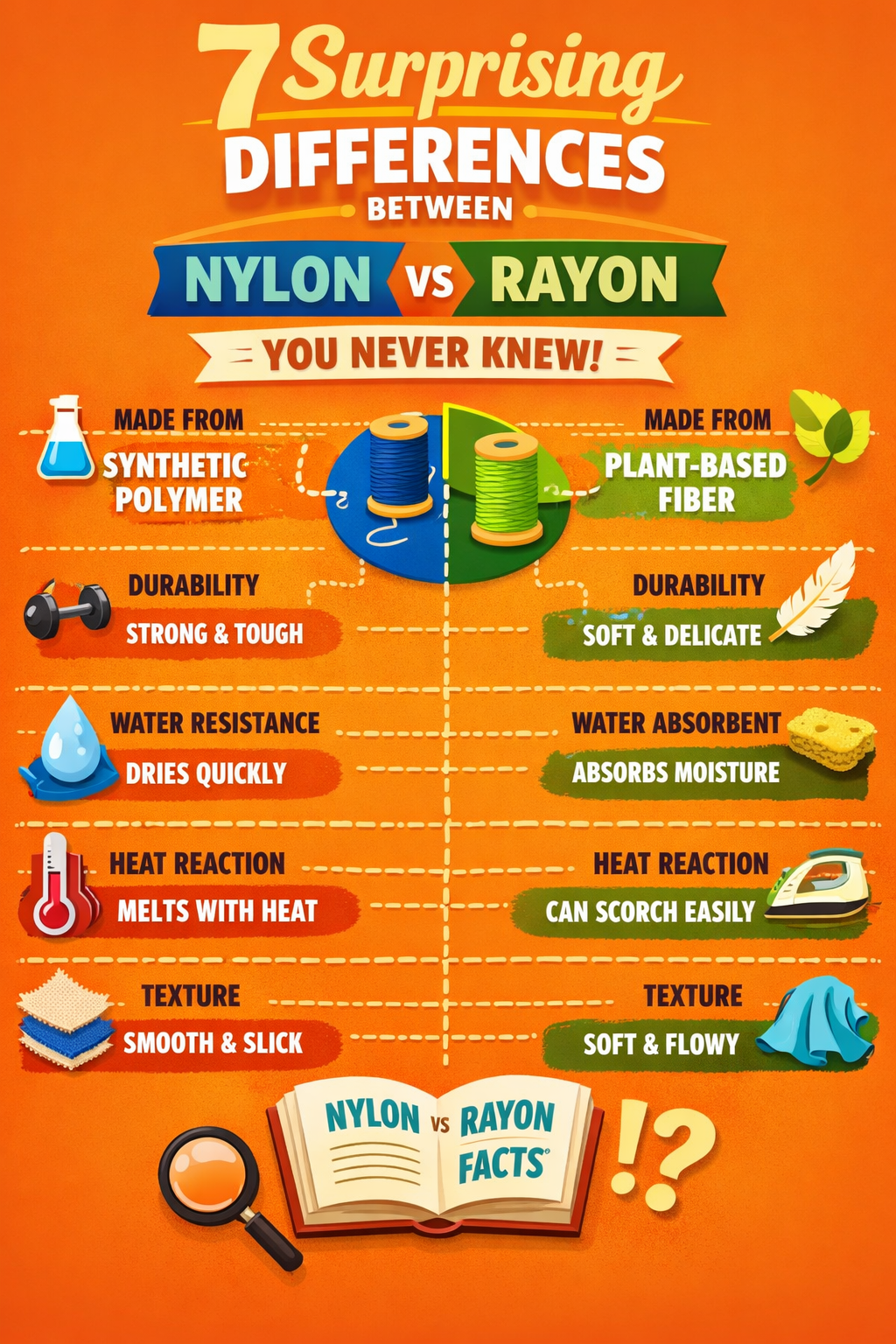
- Rayon (also called viscose) is a semi‑synthetic fiber made from regenerated cellulose sourced from wood pulp or cotton by-products. Its production involves dissolving cellulose chemically and re‑forming fibers.
- Nylon, on the other hand, is a fully synthetic polyamide made from petrochemicals (e.g., hexamethylenediamine and adipic acid), introduced by DuPont in the 1930s.
2. Feel & Comfort
- Rayon offers a soft, breathable, and silky texture—cool, comfortable, and ideal for warm climates.
- Nylon is smooth and durable but less breathable; it can feel warm and trap sweat, making it less ideal for extended wear in hot or humid settings .
3. Strength & Durability
- Rayon has moderate strength that diminishes significantly when wet, making it prone to stretching and deformation .
- Nylon is known for its exceptional tensile strength, elasticity, and abrasion resistance—commonly used in stockings, ropes, and activewear .
4. Moisture Behavior
- Rayon is highly absorbent and breathable, absorbing moisture well but drying slowly—making it feel damp .
- Nylon is quick-drying with low moisture absorption, which can keep the wearer dry but feels less breathable .
5. Wrinkle & Shape Retention
- Rayon wrinkles easily with poor elastic recovery; it often lacks shape retention unless blended .
- Nylon resists wrinkling, maintains shape well, and can stretch significantly (3–4× its length) before returning to form .
6. Dyeability & Color
- Both fabrics absorb dye well, but rayon often produces richer, more colorful results .
- Nylon dyes well but tends to offer less vibrant hues compared to rayon..
7. Environmental Impact
- Rayon is biodegradable and sourced from renewable materials, but its production involves toxic chemicals like carbon disulfide.
- Nylon is petroleum-derived, non-biodegradable, and has a heavy environmental footprint—though recent advances now allow catalytic recycling .
8. Applications & Suitability
- Rayon is ideal for soft fabrics like dresses, blouses, med-tech materials, and household goods .
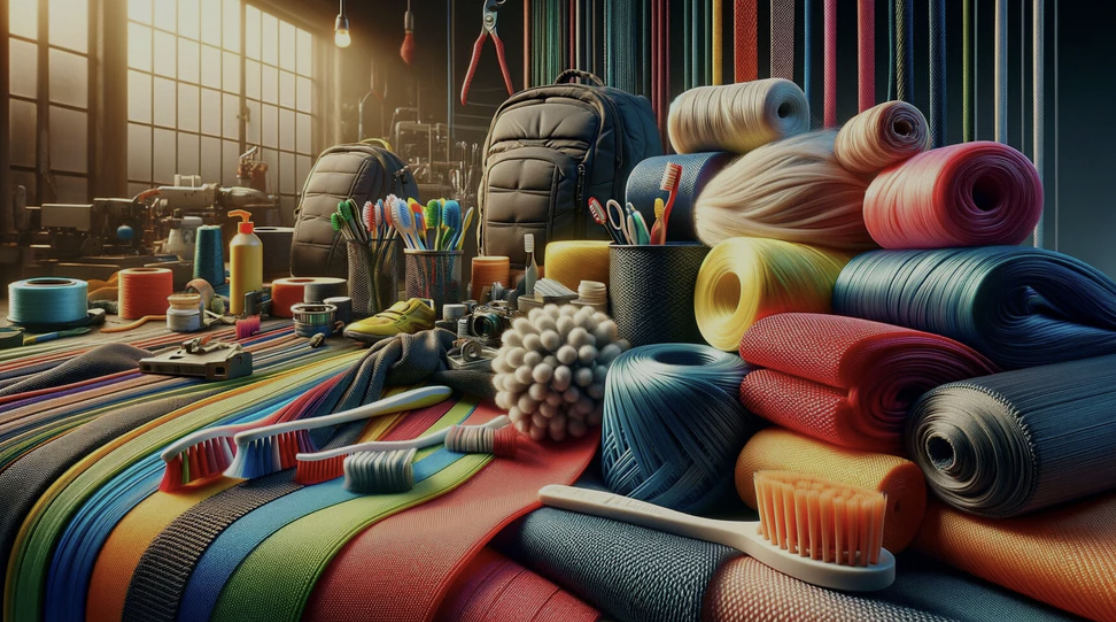
- Nylon excels in activewear, hosiery, durable garments, industrial fabrics, and components like fishing nets and ropes .
- In blends like nylon rayon polyester, nylon adds strength and flexibility, rayon enhances drape and comfort, and polyester boosts moisture management .
- Care Considerations
- Rayon requires gentle washing or dry-cleaning due to its delicate nature when wet .
- Nylon is robust and machine-washable, offering durable care convenience .
10. Blending for Best Results
Combining the two in blends leverages their strengths:
- Rayon-nylon blends offer breathability with added durability, though they may reduce moisture flow Reddit.
- Nylon-rayon-polyester blends provide wrinkle resistance, stretch, moisture control, and vibrant colors .
11. Enhancements with Surya Masterbatches
Surya masterbatches, a leading India-based color/additive supplier, enhance these fibers by:
- Adding UV stabilizers and flame retardants for long-lasting nylon textiles.
- Infusing pigments for consistent, theme-aligned colors in rayon fabrics.
- Tailored solutions for blends ensure balanced dyeing, strength, and functionality.
Such expert compounding improves fabric performance, longevity, and appearance.
12. Choosing Based on Needs
Select rayon if you want:
- Soft, breathable, and drape-rich fabric
- Rich color application
- Sustainable, biodegradable choice
Go with nylon if you need:
- High durability and elasticity
- Water-resistant, machine-washable material
- Fabrics that hold shape and resist wrinkles
Opt for blends if you want balanced properties—ideal for performance garments or upholstery.
13. Future Trends in Textile Innovation
- Recycled nylon through catalytic depolymerization is gaining traction .
- Cleaner rayon production methods like Lyocell avoid toxic solvents.
- Masterbatch customization (e.g., Surya) enables eco-friendly finishes and enhanced properties—like antimicrobial or conductive fabrics.
14. Summary Table
| Feature | Rayon | Nylon | Blend (Nylon-Rayon-Poly) |
| Softness | Excellent | Good | Moderate |
| Strength | Moderate (weak when wet) | Very high | High |
| Moisture Handling | High absorbency | Quick-dry & low absorbency | Balanced |
| Wrinkle Resistance | Poor | Excellent | Good |
| Dyeability | Excellent color uptake | Good, less vibrant | Good color with proper masterbatches |
| Sustainability | Biodegradable, resource-based | Petroleum-based, non-biodegradable | Recyclable nylon, greener rayon |
| Best Use Cases | Soft apparel, medical textiles | Activewear, industrial fabrics | Performance and soft textile blends |
| Care Instructions | Gentle wash or dry-clean | Machine washable | Wash according to nylon care |
15. Final Thoughts
Comparing rayon vs nylon reveals two complementary fibers—each with unique strengths. From softness and breathability to durability and stretch, the choice depends on your needs. Blends offer the ideal middle ground. Meanwhile, innovations like Surya Compounds & masterbatches, Lyocell processing, and nylon recycling are setting new industry standards.
Next time you’re choosing fabric for fashion, home goods, or industrial use, consider the material’s origin, comfort, strength, color, and environmental impact. You’ll be making a more informed and sustainable choice.
