

Introduction
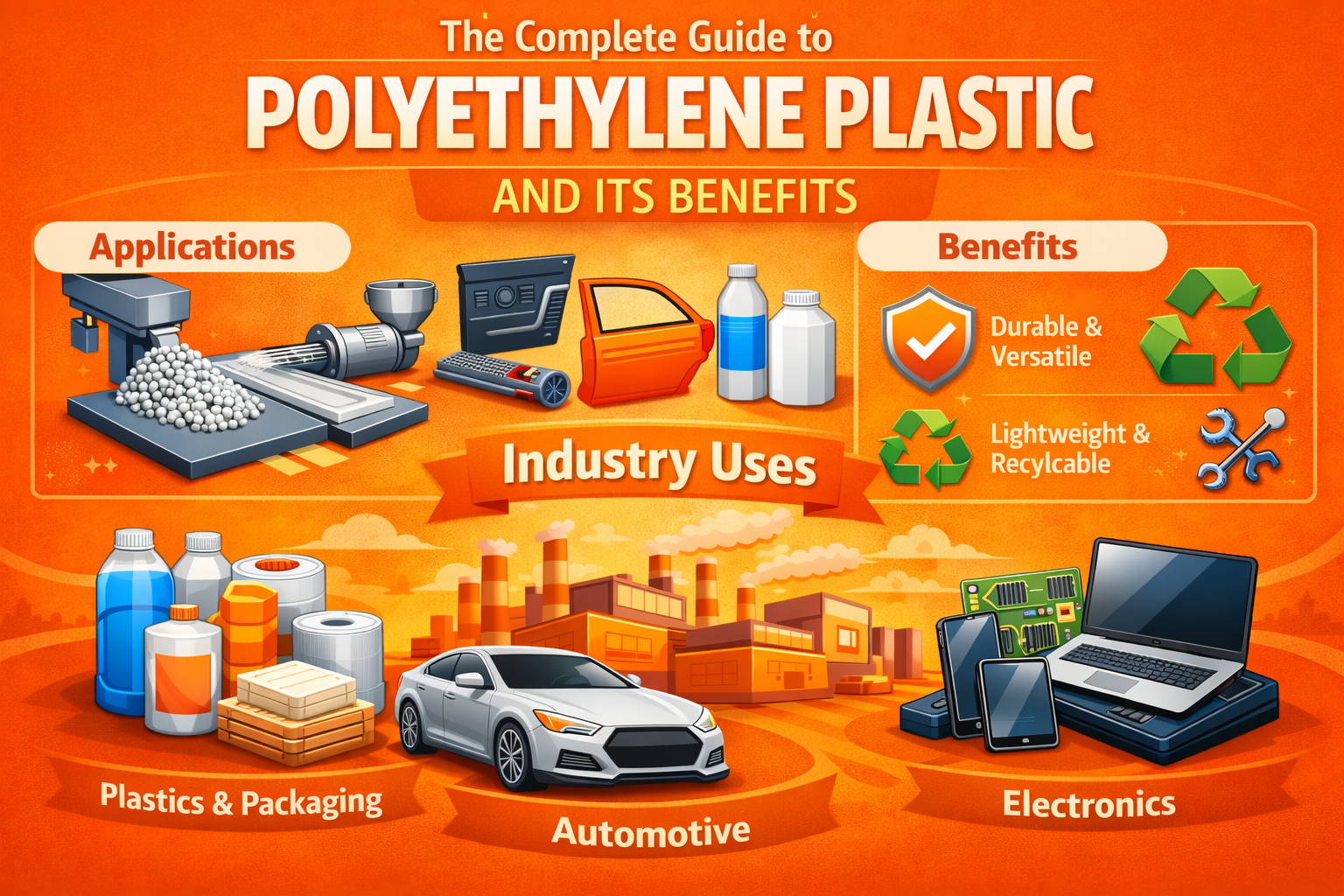
Plastics have transformed modern life, offering versatility, durability, and affordability across countless applications. Among them, polyethylene plastic stands out as the most widely produced and consumed polymer in the world. From packaging materials and household items to healthcare products and industrial components, polyethylene touches nearly every aspect of daily living.
This article explores the types of polyethylene plastic, the vast polyethylene resin uses, the benefits of polyethylene, and why it has become such an integral part of everyday life. We also highlight the role of manufacturers like Surya Compound & Masterbatches, who play a vital role in shaping how polyethylene is developed and applied across industries.
1. What is Polyethylene Plastic?
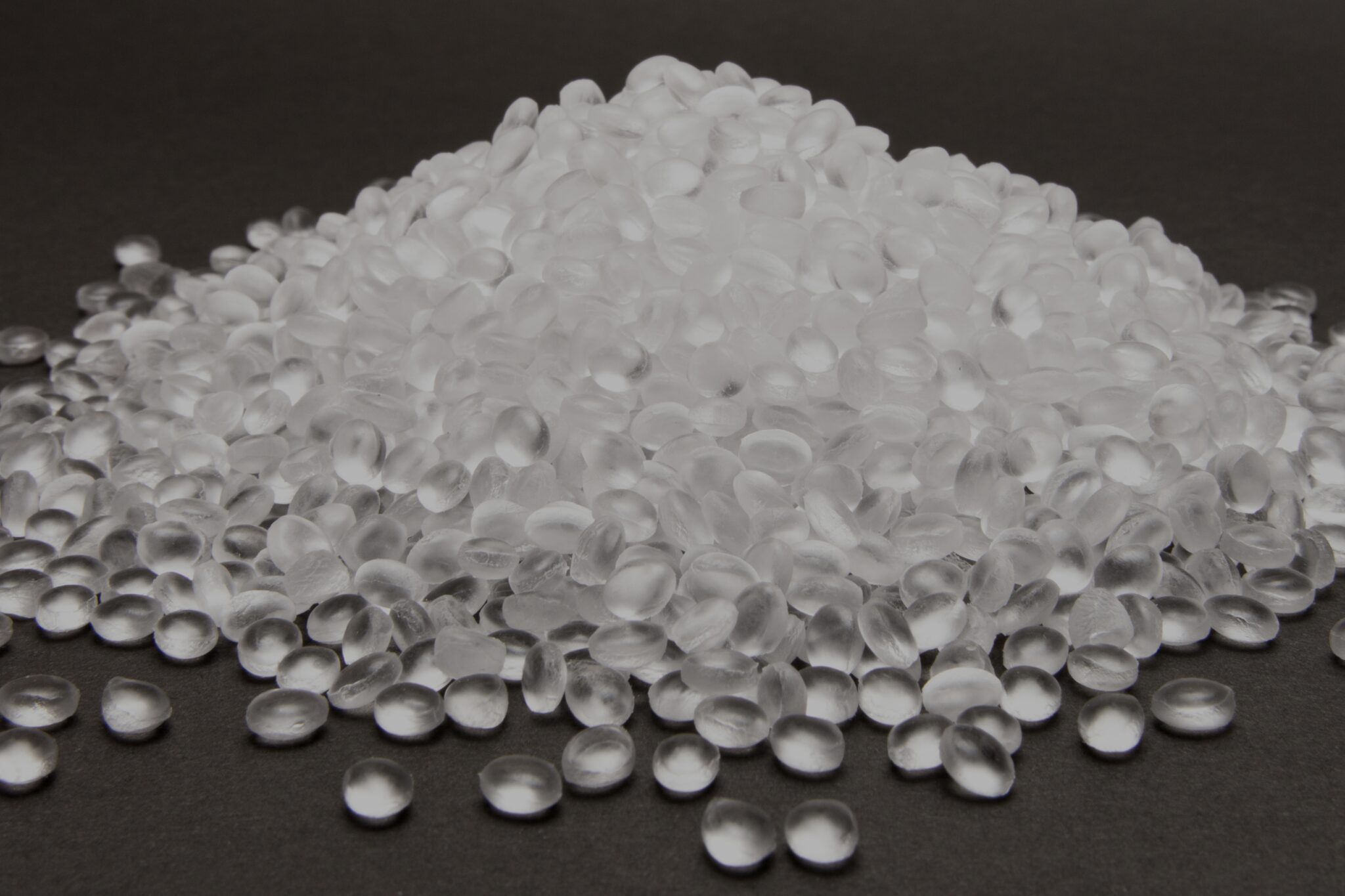
Polyethylene plastic is a thermoplastic polymer derived primarily from ethylene, a byproduct of petroleum or natural gas. Known for its chemical resistance, flexibility, and cost-effectiveness, polyethylene is the foundation of many modern products.
Key Characteristics:
- Lightweight yet strong
- Excellent moisture resistance
- Flexible and adaptable
- Safe for food contact (depending on grade)
- Easy to process into films, bottles, containers, and pipes
Its versatility lies in the fact that by modifying its molecular structure, different grades of polyethylene can be created for specific applications.
2. Types of Polyethylene Plastic
The types of polyethylene plastic are generally classified by density and molecular weight. Each type exhibits unique characteristics and serves specific purposes.
2.1 Low-Density Polyethylene (LDPE)
- Flexible and transparent
- Used in films, bags, and squeeze bottles
- Resistant to chemicals and moisture
2.2 Linear Low-Density Polyethylene (LLDPE)
- Higher tensile strength compared to LDPE
- Ideal for stretch films, packaging films, and liners
- Offers better puncture resistance
2.3 High-Density Polyethylene (HDPE)
- Strong, stiff, and resistant to impact
- Used in bottles, containers, pipes, and household products
- Suitable for heavy-duty applications
2.4 Ultra-High-Molecular-Weight Polyethylene (UHMWPE)
- Extremely tough and abrasion-resistant
- Applied in medical implants, bulletproof vests, and industrial equipment
These types of polyethylene plastic highlight its adaptability to diverse industries, making it indispensable.
3. Polyethylene Resin Uses in Everyday Life
The applications of polyethylene resin are virtually limitless, influencing countless sectors:
3.1 Packaging
- Films, grocery bags, shrink wraps, bubble wraps
- Bottles for milk, water, and household cleaning agents
- Food containers and storage solutions
3.2 Household Products
- Buckets, bins, laundry baskets
- Kitchenware like cutting boards and food wraps
- Toys and play equipment
3.3 Agriculture
- Mulch films, greenhouse covers
- Irrigation pipes and water tanks
3.4 Healthcare
- Disposable syringes and bottles
- Medical tubing and pharmaceutical packaging
3.5 Construction & Infrastructure
- Piping systems, insulation materials, and geomembranes
- Sheets for waterproofing and roofing
3.6 Automotive & Industrial
- Fuel tanks, liners, and molded components
- Conveyor belts, safety gear, and chemical containers
These polyethylene resin uses showcase how integral the material is in supporting human needs, safety, and convenience.
4. Benefits of Polyethylene
The benefits of polyethylene explain why it is the most widely used polymer worldwide.
4.1 Durability & Strength
Despite being lightweight, polyethylene offers exceptional tensile strength, making it reliable for packaging and industrial use.
4.2 Chemical Resistance
Resistant to acids, bases, and solvents, polyethylene is safe for storing chemicals and food.
4.3 Moisture & Weather Resistance
Perfect for packaging and outdoor applications, polyethylene withstands moisture and changing weather conditions.
4.4 Flexibility
Polyethylene can be molded into films, sheets, or rigid products, adapting to a wide variety of needs.
4.5 Cost-Effectiveness
Its affordability compared to alternative materials ensures widespread use in industries and households alike.
4.6 Recyclability
Polyethylene is recyclable, reducing environmental impact when managed properly.
These benefits of polyethylene combine to create an ideal balance of performance and cost.
5. Polyethylene in Food & Beverage Packaging
Perhaps the most common interaction people have with polyethylene is through food packaging. Clear films, bottles, and containers made of polyethylene provide safe, hygienic, and durable solutions for storing food and beverages.
- LDPE films ensure freshness by sealing in moisture.
- HDPE bottles provide sturdy packaging for milk, water, and juices.
- LLDPE wraps keep fruits and vegetables fresh during transportation.
The food-grade safety of polyethylene makes it a trusted material worldwide.
6. Polyethylene in Sustainability and Recycling
Sustainability is a growing concern, and polyethylene plays an important role in developing eco-friendly solutions.
- Polyethylene is one of the most recyclable plastics.
- Recycled polyethylene (rPE) can be used in bags, containers, and industrial applications.
- Innovations include bio-based polyethylene derived from renewable sources.
This highlights the evolving importance of polyethylene plastic not only for functionality but also for environmental responsibility.
7. Challenges in Polyethylene Usage
While polyethylene offers numerous advantages, challenges remain:
- Environmental Concerns: Mismanagement leads to plastic pollution.
- Recycling Infrastructure: Limited facilities restrict effective recycling in some regions.
- Additive Dependence: Requires additives like masterbatches to optimize performance.
These issues are being addressed with better recycling methods, biodegradable alternatives, and improved plastic management systems.
8. Role of Masterbatches in Enhancing Polyethylene
To unlock the full potential of polyethylene, additives in the form of masterbatches are used.
Masterbatch Functions:
- Coloration: Achieving vibrant, consistent shades.
- Performance Enhancement: Adding UV stability, flame resistance, or slip properties.
- Processing Efficiency: Ensuring smooth extrusion and molding.
For example, packaging films often incorporate slip or antiblock masterbatches to prevent layers from sticking, while outdoor applications use UV stabilizers to resist sun damage.
This synergy between polyethylene resin and masterbatch technology is crucial for delivering performance-driven products.
9. Surya Compound & Masterbatches – A Trusted Partner
Among key players in this sector, Surya Compound & Masterbatches provides specialized solutions that enhance the performance of polyethylene plastics. With advanced R&D, innovative formulations, and a focus on quality, the company supports industries in maximizing the benefits of polyethylene while ensuring compliance with safety and environmental standards.
By offering customized masterbatches for different types of polyethylene plastic, Surya Compound & Masterbatches helps businesses achieve clarity, toughness, barrier resistance, and aesthetic appeal in their final products.
10. Future of Polyethylene in Everyday Life
The future of polyethylene looks promising, with continuous innovation driving its applications further:
- Smart Packaging: Polyethylene integrated with sensors for freshness detection.
- Biodegradable Solutions: Development of bio-based polyethylene resins.
- Lightweighting in Automotive: Using HDPE and UHMWPE for stronger yet lighter parts.
- Healthcare Advancements: High-purity polyethylene for implants and drug delivery systems.
As industries evolve, the importance of polyethylene plastic will continue to grow.
Conclusion
From packaging and healthcare to infrastructure and consumer goods, polyethylene plastic plays an indispensable role in everyday life. The diversity of types of polyethylene plastic ensures suitability across a wide range of applications, while the extensive polyethylene resin uses highlight its versatility.
The benefits of polyethylene—durability, chemical resistance, flexibility, and affordability—make it the backbone of modern industry. With the support of innovative solutions from companies like Surya Compound & Masterbatches, polyethylene continues to evolve, delivering performance, safety, and sustainability for generations to come.
As one of the world’s most essential materials, polyethylene is not just a plastic—it is a foundation of modern living.