
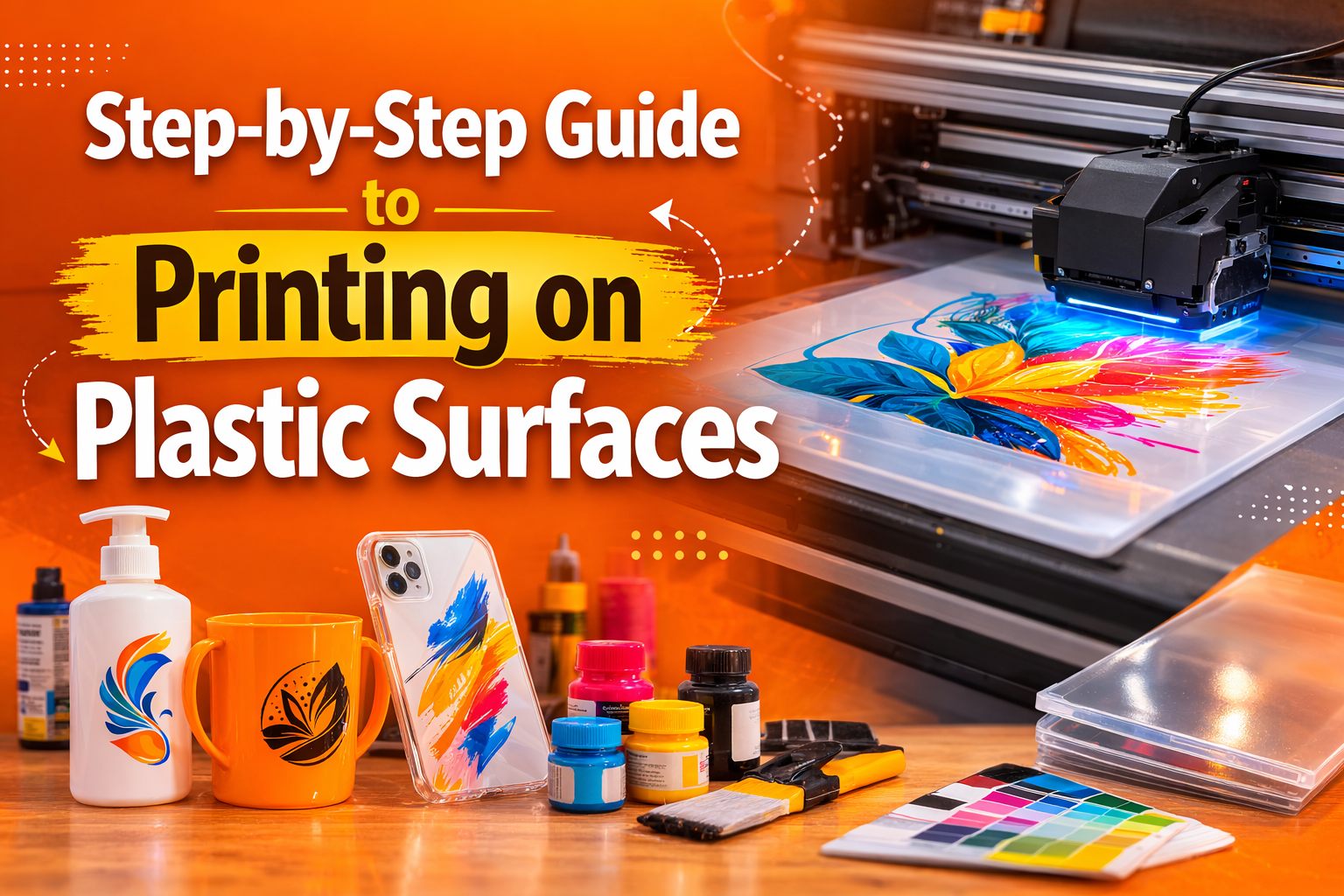
Printing on plastic offers versatile branding and functional benefits across packaging, signage, labels, and promotional products. This extensive guide dives deep into best practices for printing on plastic sheets, plastic printing, silk printing on plastic, printing on plastic containers, polythene printing and explores how Surya Masterbatches can enhance print performance.
1. Understanding the Challenges of Printing on Plastic
Plastic resins typically have low surface energy, which hinders ink adhesion. Effective printing requires addressing surface energy, substrate type, and ink compatibility. Different plastics—such as polyethylene (PE), polypropylene (PP), polycarbonate (PC), acrylic, PET, and PVC—each have unique needs. Surface pretreatments like flame or corona treatment often become essential to enhance ink bonding.
2. Preparing Plastic Surfaces for Printing
2.1 Surface Treatment
- Flame Treatment: Briefly exposing the plastic surface to flame oxidizes it, increasing surface energy and promoting adhesion.
- Corona Treatment: For films and sheets, this raises surface tension via electrical discharge and is ideal for substrates like PE or PET.
2.2 Cleaning and Drying
Debris, oils, or UV coatings must be removed before printing. Clean with isopropyl alcohol or mild detergent; dry completely to ensure ink adhesion.
2.3 Priming (Optional)
For hard-to-print plastics (e.g. ABS, PP), apply a primer or adhesion promoter compatible with both substrate and ink system.
3. Core Printing Methods for Plastics
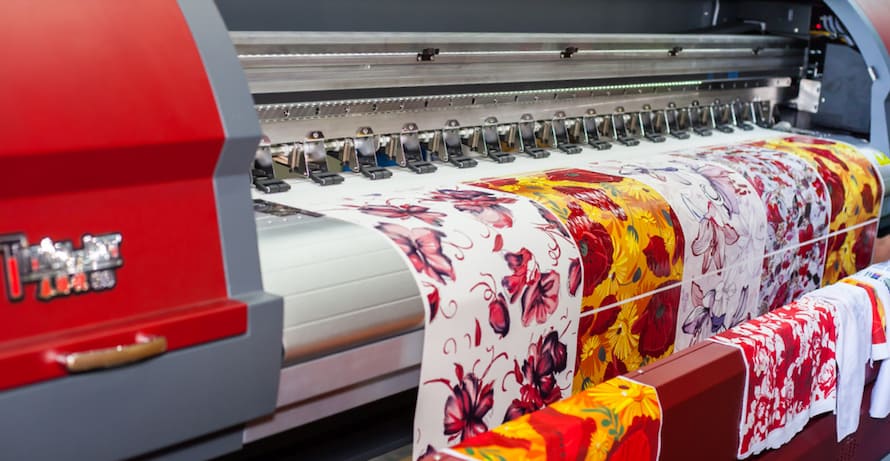
3.1 Screen (Silk) Printing on Plastic
Silk printing on plastic offers vibrant, long-lasting results and is popular for flat or cylindrical shapes like signage, labels, containers, and panels .
Process Steps:
- Design & Mesh Preparation: Create a stencil on mesh (typically 60–200 mesh). Fine mesh allows detail, coarse mesh deposits thicker ink.
- Ink Selection: Use inks formulated for plastics—UV-curing, solvent-based, or epoxy types.
- Printing: Align substrate, flood the screen with ink, and squeegee across to transfer onto the surface.
- Curing: Use heat or UV for drying depending on ink type.
Ideal For:
- Acrylic, polycarbonate, PET, PP, HDPE, PVC containers
- Durable prints with high opacity (metallic, fluorescent).
- Container genres like cosmetics, electronics, and signage.
Pros & Cons:
- Vibrant, clean, durable finishes.
- Multi-surface capability.
- Slow compared to high-speed alternatives.
Tips: Ensure surface treatment, design separate stencils per color, and output sample prints for accuracy.
3.2 Pad Printing
Ideal for printing on plastic containers with irregular or curved surfaces .
Process:
- Engrave ink-receptive plate (cliché).
- Deposit ink onto the plate and wipe excess.
- Silicone pad picks up ink and conforms to substrate.
- Pad transfers ink to surface; cured afterward.
Advantages:
- Prints on complex 3D surfaces.
- High precision with fine details.
- Single-color quick runs.
Limitations:
- Slow multi-color capability.
- Pad wear over time.
3.3 Flexographic & Gravure Printing for Polythene
For high-volume polythene printing (bags, sheets, films), gravure and flexography dominate
- Flexographic: Fast, flexible plate-based web printing ideal for rolls of plastic.
- Gravure: Deep-etched cylinders for consistent, high-quality long runs.
Polythene specifically benefits from high-speed, scalable flexo systems.
3.4 Digital Inkjet & Flatbed UV Printing
Digital printing on plastic sheets enables short runs, variable data, and high-detail jobs.
- Flatbed UV printers print directly onto rigid or semi-rigid substrates with UV-curable inks.
- Roll-fed digital printers accommodate plastic films for signage or packaging.
Advantages: rapid setup, full colors, cost-efficient runs. Downsides include slower high-volume speeds and higher per-unit costs.
3.5 Laser Engraving & Hot Stamping
Laser printing on plastic works by etching the surface via a laser beam—used in electronics, industrial components, and lasting logos
Hot stamping applies metallic foils onto plastic surfaces via heat/molded dies—used for luxury finishes, labels, and embellishments .
3.6 Water Transfer & Dye‑Sublimation
- Water transfer printing (aka hydrographics) coats 3D plastic parts via immersion in printed films.
- Dye-sublimation is specialized: uses heat to sublimate ink into coated plastics—common in signage and ID cards.
4. Printing on Specific Plastic Types
4.1 Polythene (PE)
- Requires surface treatment (flame, corona).
- Commonly printed via flexography in packaging, mailers.
4.2 Polypropylene (PP)
- Flame treatment often needed for solvent/oil exposures.
- Printed via silk screen, pad, or flexo for labels, containers.
4.3 Polycarbonate (PC) & Acrylic
- Rigid, can accept UV-resistant inks; ideal for signage, panels
4.4 HDPE, LDPE, PVC, ABS
- Treat HDPE/LDPE before printing.
- PVC similar to acrylics, tolerates silk.
- ABS requires adhesives or primer.
5. Step‑by‑Step Printing Workflow
5.1 Planning Phase
- Determine substrate type, target finish, production volume.
- Evaluate budget/time constraints and choose print method accordingly.
5.2 Pre-Production Materials
- Select proper ink chemistry, mesh count, plate/pad design, treatments.
- For silk-printing, define artwork for each color.
5.3 Setup & Test Runs
- Pre-treat surfaces, align screens/pads.
- Calibrate ink density, tension, curing parameters.
- Run test prints to refine variables like squeegee pressure.
5.4 Production Execution
- Follow precise protocols during printing: clean substrate, control ink deposition and curing.
- Use inline curing methods (UV, heat) for fast drying.
5.5 Quality Assurance
- Check adhesion via tape, rub or solvent rub test.
- Inspect for misregistration or print defects; adjust setup to correct.
5.6 Post-Processing & Packaging
- Overprint coatings or varnishes may require curing.
- Cure parts fully; inspect, and package appropriately.
6. Incorporating Surya Masterbatches to Enhance Print Quality
Surya Masterbatches offer additive systems tailored for printing on plastics:
- Antistatic or slip agents: reduce static for clean inks
- UV stabilizers: protect pigment from fading
- Color concentrates: ensure consistency
- Surface primers: improve substrate receptivity
- Opacity modifiers: enhance ink coverage on films
By embedding these through masterbatch, substrate retains consistent printability without additional surface pre-treatment—ideal for injection-molded containers or blown films.
7. Troubleshooting Common Issues
- Ink won’t stick – retry flame/corona treatment or use primer.
- Ink smearing – verify full curing, slow substrate feed.
- Poor color saturation – increase ink deposit thickness via screen mesh adjustment.
- Mismatched registration – calibrate alignment sensors and substrate guides.
- Cracking on bending – shift to flexible inks or add plasticizer.
8. Sustainability Considerations
- Low-VOC inks and UV-curing reduce solvent emissions.
- Surface treatment avoids adhesives or labels, easing recycling.
- Masterbatch additives blend performance and recyclability—fewer post-treatments.
9. Summary Table: Techniques & Applications
| Method | Best For | Advantages | Considerations |
| Screen Printing | Signage, containers | Durable, opaque | Slower, needs pre-treatment |
| Pad Printing | Irregular 3D objects | Quality on curvature | Small areas, single color |
| Flexographic | Polythene packaging rolls | Fast, high throughput | Lower resolution |
| Gravure | Premium packaging | Fine detail, consistency | High setup cost |
| Digital UV | Short runs & detailed prints | No plates, full color | Higher per-unit cost |
| Laser Engraving | Industrial marking | Durable, permanent | Monochrome only |
| Hot Stamping | Metallic finishes | Elegant metallic look | Additional tooling, foil cost |
| Water Transfer | 3D decorative parts | All-over 3D coverage | Slow, prep required |
| Dye-Sublimation | Coated rigid items | Photo-quality imagery | Needs special coatings |
Conclusion:
Printing on plastic surfaces opens rich possibilities—from vibrant packaging and signage to branded containers and curved promotional items. Success depends on:
- Choosing the optimal print method (screen, pad, flexo, digital, etc.).
- Preparing surfaces with treatment, cleaning, and possibly primer.
- Testing inks and curing protocols.
- Leveraging additives like Surya Compounds & Masterbatches to pre-embed performance.
- Implementing quality control throughout.
By following this guide and working closely with material and ink suppliers, you can create durable, attractive, and compliant print products on plastic surfaces—whether flat sheets, polythene bags, containers, or complex 3D forms.