

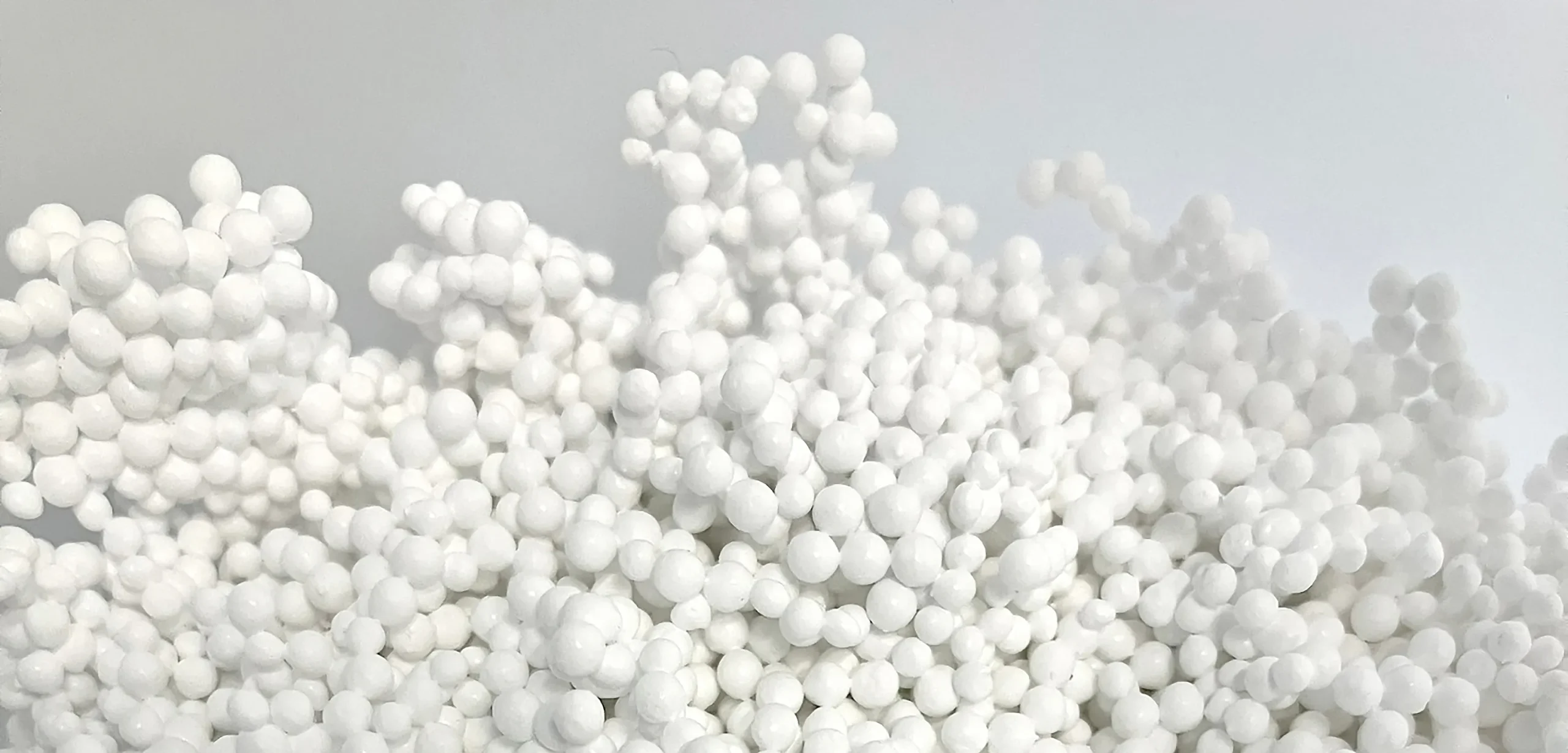
By 2026, using old materials again changed how the world makes things – recycled polyamide, once seen as just eco-friendly, now sits at the core of industry needs. As rules tightened and emissions costs rose, manufacturers shifted; their choice isn’t only ethical but also about staying within legal limits while building better-performing parts through smarter chemistry.
Every year, more companies need recycled PA materials—cars and gadgets push this shift fast. Picture factories rethinking old plastic into something strong again by 2030. Within this change lie clever methods that turn waste into useful materials. Think durability meets smarter resource use without extra cost. Recycling polyamides isn’t just a trend—it fits long-term plans across manufacturing now.
Polyamide Recycling Benefits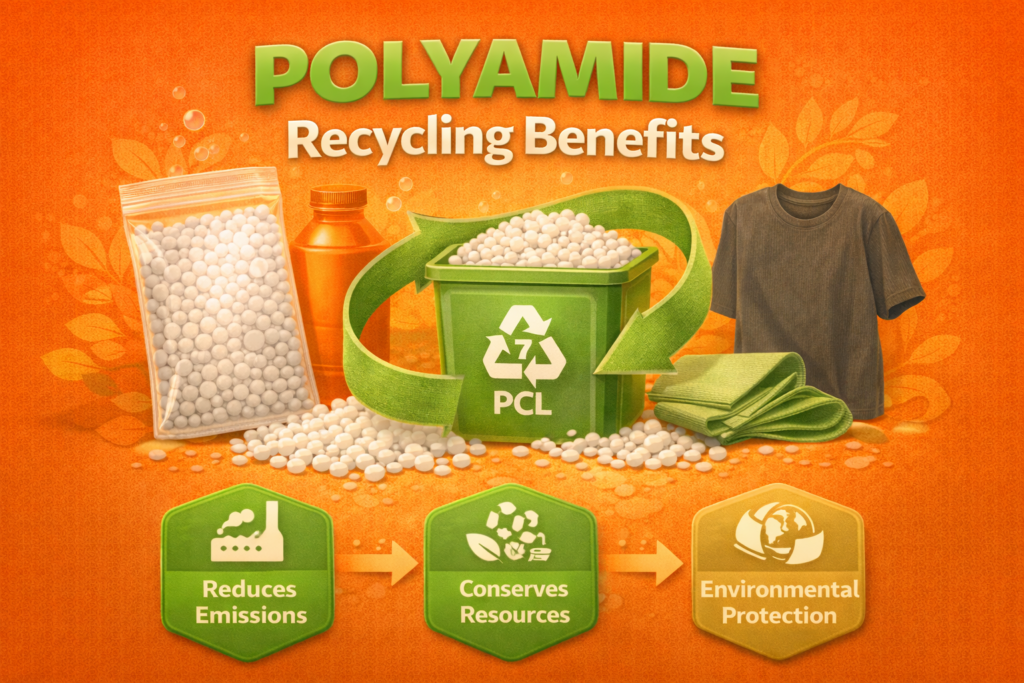
Starting fresh with recycled polyamide means fewer plastics pile up where they shouldn’t. That shift also quietly shields budgets when oil prices start swinging without warning.
- Energy Efficiency: One big reason recycled nylon stands out? It takes far less energy to make—around 60 percent fewer resources go into the process. Emissions drop sharply too, since creating new nylon from scratch releases much more carbon dioxide.
- Resource Conservation: Every time a ton of nylon gets recycled, around six to eight oil barrels stay untouched underground. That kind of reuse slows down how fast we drain limited fuel supplies. Oil stays put when old materials find new life instead. Fewer drilling runs happen because something once thrown away now serves again. What used to vanish into landfills helps keep energy stocks intact. Material loops like this ease pressure on Earth’s buried reserves. Old fabric turning into fresh products means less digging required elsewhere.
- Ocean Protection: Stopping plastic waste? Turning old fishing gear into new materials keeps oceans cleaner. Ghost nets, once lost at sea, now get a second life instead of harming wildlife. Reusing them means less trash floating through underwater habitats. This shift begins with seeing rubbish as raw material. Old nets become fresh resources without damaging delicate environments.
- Legal Compliance: Starting in 2025, fresh rules across several areas require plastic used in cars and wrapping materials to include some amount made from old, reused sources. While enforcement kicks in by 2026, companies must already shift how they source raw inputs. Because laws differ slightly by location, adjustments will depend on where production happens. Since recycled material once played a minor role, this marks a notable pivot in manufacturing standards.
Recycled Plastic Used in Car Making
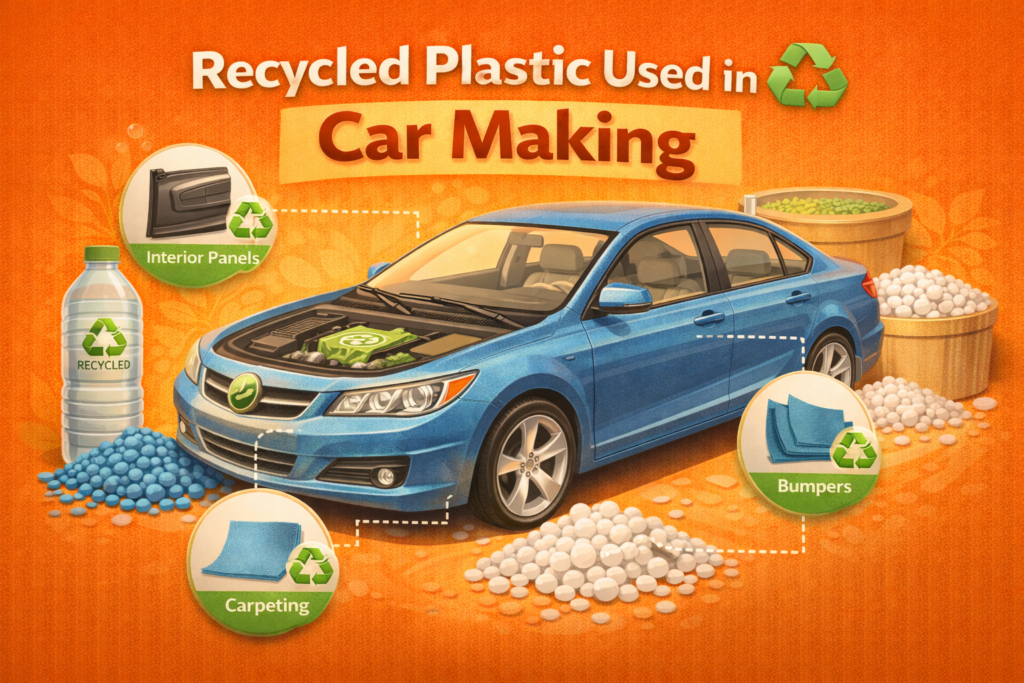
Few industries rely on engineered polymers like car makers do, yet their shift to reprocessed nylon stands out. Car production gobbles up more of these materials than any other field, but choosing reused versions now marks a turning point.
Lightweighting and Performance
Though they’ve been recycled, polyamides still hold up strong for their weight. Because of this, car designers choose them often – especially when lightweight durability matters most:
- Engine Components: Under the hood, air channels feed into the motor while outer casings wrap around key parts. Some pieces guide airflow; others sit like shells on top.
- Thermal Control: Fans stay put thanks to custom-fit shrouds around them. Battery cases on electric cars handle heat by design. Built-in airflow paths move warmth away where it builds up.
- Safety Gear: Crash protection gear includes parts like airbag covers. Seat belts rely on strong internal pieces, too.
Closing the Loop
One year before 2027, major carmakers began using return routes for worn parts. These pieces now travel back to firms such as Surya compounds & masterbatches instead of piling up elsewhere. Inside those facilities, they get broken down. From that point on, nothing gets wasted—material transforms again. Outcome: fresh elements built for upcoming vehicle models. The cycle restarts without delay.
Recycled Nylon Polymer in Electronics and Electrical Applications
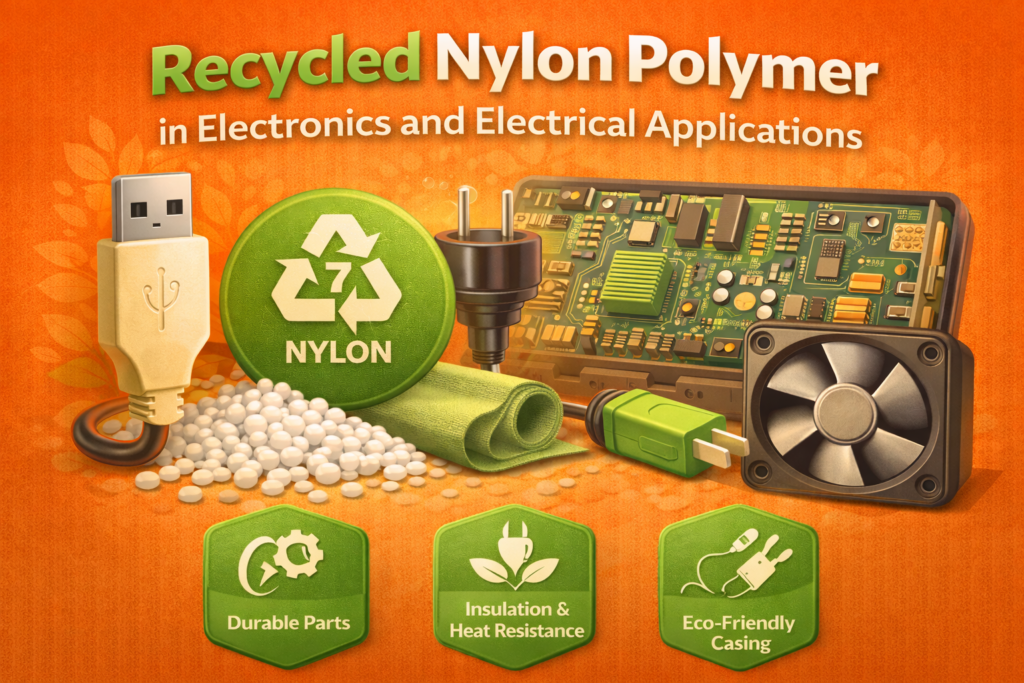
Now taking center stage in the E&E field – recycled nylon polymer. Toughness matters, yet safety weighs just as heavily. This shift didn’t happen overnight, but still, it’s clear where things are headed. Built to last while keeping risk low—that’s the balance struck here. Not every option plays both roles well; however, this one does. What used to get tossed now gets repurposed, quietly changing expectations. Performance stays high even when origins trace back to waste:
- Insulation and Stability: Recycled versions still handle high voltage without breaking down. Even after reuse, they resist heat just as well. Not every material keeps these traits so reliably. What matters is how consistently performance holds up. Through recycling processes, insulation ability stays strong. Temperature swings fail to weaken their structure. Performance gaps? They’re nearly nonexistent here.
- Durability in Details: Cable ties that bend without breaking. Their grip holds tight under pressure. When things shift, they adapt yet stay secure. Toughness matters where stress test limits. Movement happens – these keep order anyway.
- Structural Shells: Frames inside smartphones, along with laptop shells, now often come from recycled polyamide packed with glass fibers. What once seemed unlikely is becoming common in how these gadgets take shape.
The Strategic Importance of Surya compounds & masterbatches
Not every factory finds it easy to shift toward using old materials again – worries about uneven quality pop up. Yet somewhere in that gap, Surya steps in. Their compounds turn what was once discarded into something reliable, even strong.
Precision Masterbatches
Getting color right in recycled plastic? Tough job. That grayish or yellow hint in the raw stuff throws off shades every time. Yet our custom mixes punch through those undertones hard. Bright results show up strongly. Uniform surfaces come out smooth each run. The look matches clean, new resin – no compromise showing at all.
The New Standard
Out in today’s factories, recycled polyamide isn’t playing second fiddle – it pulls equal weight. Eighty percent less carbon shows up on the meter, while strength stays locked in step with new plastic. By 2026, what was once labeled eco-friendly” now runs the machines shaping tomorrow.
Manufacturers who work with Surya compounds & masterbatches find it easier to use these materials in their processes—each batch built with exact science, filled with smart additives that quietly push real environmental gains forward.