

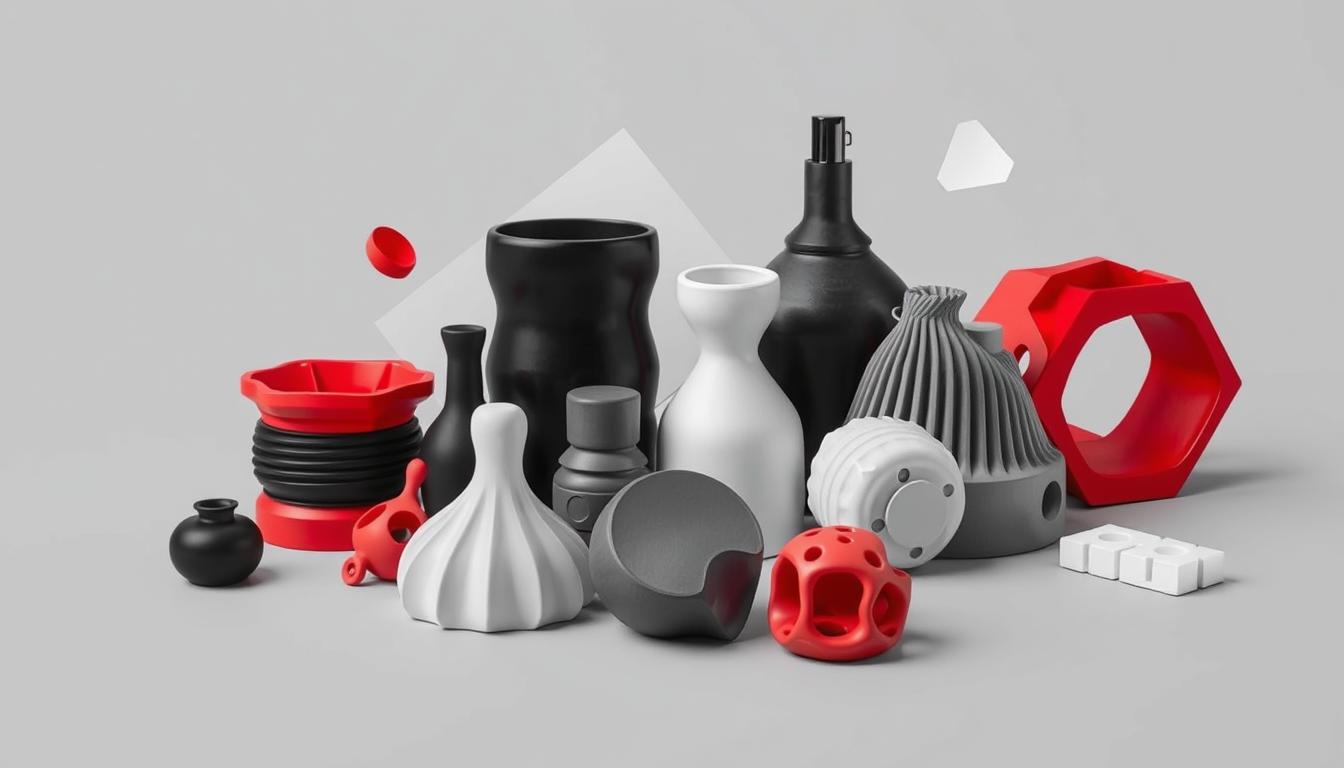
Polyvinyl Chloride (PVC) is a highly adaptable synthetic material used extensively worldwide. Among the different PVC Plastic Types, the material demonstrates exceptional flexibility through its use in medical life-saving equipment, its application as flexible tubing, and its implementation as rigid pipes that run beneath our streets. Alongside other advanced materials like PLA Plastic, PVC continues to be a preferred choice across industries. The production of high-quality PVC depends heavily on additives, which industry leaders Surya Compound & Masterbatches supply to the market. The company has experts who create special formulations that transform standard resin materials into products that fulfill the needs of different business markets.
1. Understanding the Core PVC Plastic Types
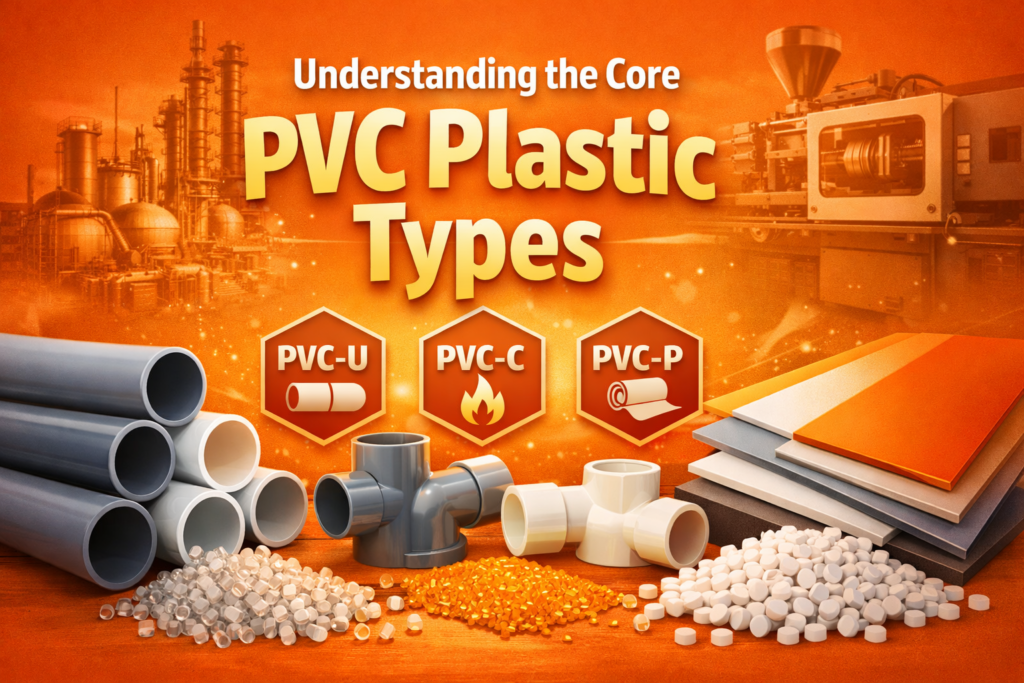
While all PVC starts from the same polymer base, it is categorized into distinct types of PVC material based on its physical properties and the additives used during the compounding process.
Rigid PVC (RPVC or uPVC)
Rigid PVC, also known as unplasticized PVC (uPVC), contains no plasticizers. The material shows three main properties, which include its high stiffness, its excellent chemical resistance, and its strong mechanical properties. The material exhibits three main properties, which include its ability to withstand high impact forces, its flame-resistant characteristics, and its resistance to weather degradation. The material finds its way into three main applications, which include window frames, water mains, and industrial ducting systems.
Flexible PVC (FPVC)
The addition of plasticizers, including phthalates and alternative esters, to PVC resin results in a material that can be bent without breaking. Surya compound & masterbatches serve as a crucial element that achieves the required chemical composition to maintain material flexibility while preserving its structural strength during extended periods. The material exhibits three main properties, which include its ability to stretch extensively, its resistance to bending, and its gentle touch sensation. The material finds its main use in three specific applications, which include electrical wire insulation, flooring, and garden hose production.
Chlorinated PVC (CPVC)
CPVC is produced by chlorinating PVC resin. Standard PVC materials cannot handle temperatures that this material can endure because it contains extra chlorine. Common Applications: Hot water plumbing and industrial chemical handling.
2. The Role of Masterbatches and Compounds
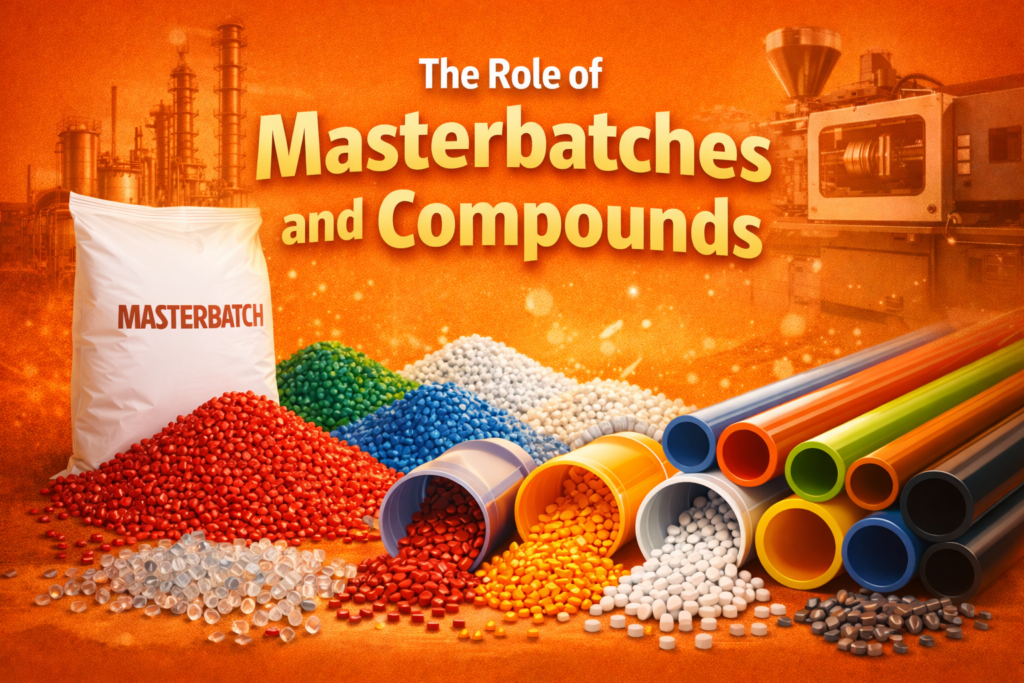
PVC in its raw “powder” form is rarely useful. To make it functional, it must be compounded. Surya compounds & masterbatches enable this transformation through their process of adding vital additives to their products. The company employs Color Masterbatches to develop products that retain their UV-resistant colors in a stable state that customers find attractive. Stabilizers function to protect the polymer from degradation, which occurs when materials undergo high-heat processing. Impact Modifiers function to protect rigid products, including pipes, from cracking when they experience high pressure. The manufacturing process includes Processing Aid,s which enhance plastic melt flow during extrusion and injection molding operations.
3. PVC applications and PVC products
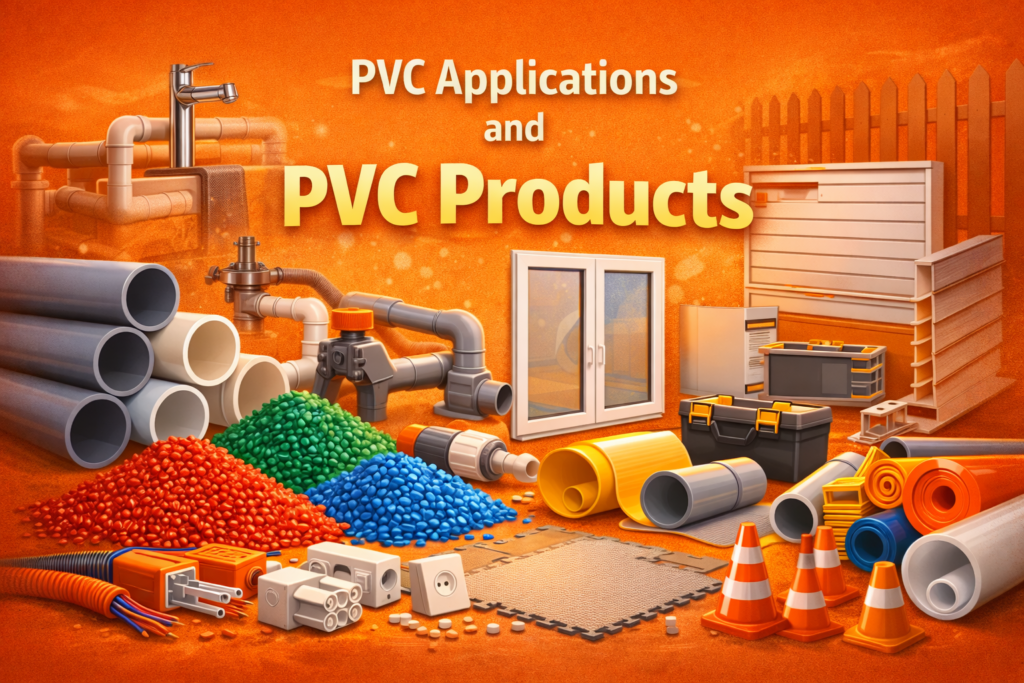
The worldwide industrial market uses PVC because it meets different industrial requirements through its extensive range of pvc applications. Below is a breakdown of how different PVC materials are utilized and examples of PVC in use.
Building and Construction
Construction accounts for the largest share of PVC usage. Because it is resistant to rot and corrosion, it is a sustainable alternative to wood and metal. The system includes Pipes and Fittings which serve as components for sewage and drainage and potable water distribution. The thermal insulation properties of uPVC window and door frames reach exceptional levels. The waterproofing of extensive commercial roofs depends on flexible PVC sheets, which function as roofing membranes. Siding: Durable exterior wall cladding that requires zero maintenance.
Electrical and Electronics
PVC’s natural fire-retardant properties make it the gold standard for electrical safety. The insulation of cables uses flexible PVC compounds to protect wiring that runs through homes and appliances. The system uses Rigid PVC tubes, which function as protective enclosures for electrical lines when they run beneath ground or through building structures. The production of Plug Tops and Connectors needs to happen through molding because these components need to maintain their high dielectric strength rating.
Healthcare and Medical
The medical industry depends on PVC because it provides both biocompatible properties and clear visibility. The delivery of fluids occurs through flexible, sterilized PVC material, which makes up IV bags and tubing. Blood Bags: The storage process of blood becomes possible through specialized compounds that protect the blood from plastic reactions. The oxygen masks consist of soft medical-grade PVC material, which creates a comfortable experience for patients.
Automotive Industry
PVC helps reduce the weight of vehicles, improving fuel efficiency while providing durability. Underbody Coatings serve to defend the chassis structure against both gravel damage and corrosion development. Interior Trim: The material serves to create dashboards and door panels, and seat coverings, which use artificial leather for their construction. Wire Harnesses: The system responsible for managing the intricate electrical networks that contemporary vehicles depend on.
4. Why PVC Choice Matters: The Surya Advantage
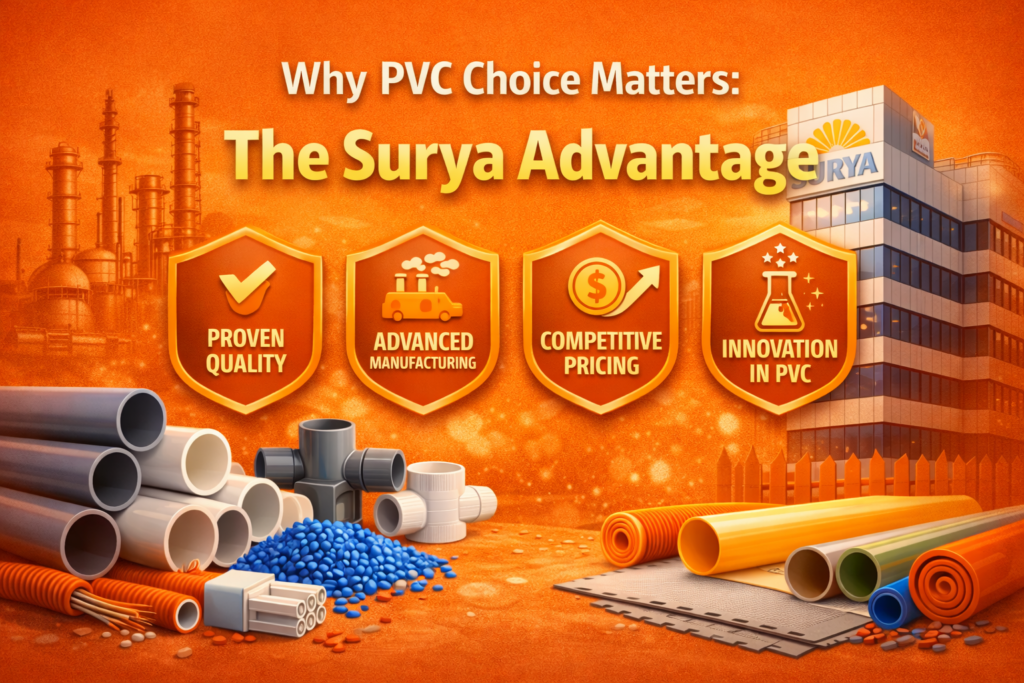
The success of a PVC product depends entirely on its formulation. The UV stabilizers used in desert pipes differ from those used in underground drainage pipes. This is where the expertise of Surya compounds & masterbatches becomes an asset to manufacturers.
Customization
Every application has a “recipe.” Surya compound & masterbatches delivers customized solutions that fulfill international standards through their Shore Hardness gasket materials and RAL color consumer toy products.
Sustainability and Efficiency
Modern PVC compounding focuses on reducing waste. Manufacturers who choose high-quality masterbatches will achieve better dispersion, which allows them to reduce pigment amounts to reach equal color density while reducing environmental effects and manufacturing costs.
5. Comparison Table
The following table presents a comparison of PVC material characteristics between Rigid PVC (uPVC) and Flexible PVC materials.
PVC Plastic Types Properties
|
Feature |
Rigid PVC (uPVC) | Flexible PVC |
CPVC |
|
Flexibility |
Very Low | Very High | Low |
|
Heat Resistance |
Moderate | Low | High |
|
Chemical Resistance |
Excellent | Good |
Superior |
| Primary Use | Construction Pipes | Wire & Cable |
Hot Water Systems |
| Additives Needed | Impact Modifiers | Plasticizers |
High Chlorine Resin |
6. Future Trends
The manufacturing sector of PVC will experience future developments, which include “Smart Compounding” as its main direction. The process requires manufacturers to produce PVC products that have improved recyclability and do not contain heavy-metal stabilizers. Surya compound & masterbatches drives industry change through their development of Lead-Free (Ca-Zn) stabilizers and sustainable masterbatches, which deliver equivalent performance to traditional products. The development of 3D printing and industrial molding needs high-flow PVC compounds that are durable to create precise parts.
Conclusion
PVC exists as a substance that exceeds the definition of “plastic.” The material exists as a carefully designed product that serves as the fundamental structure for contemporary infrastructure development. The wide range of PVC applications exists because of exact compound preparation, which produces uPVC windows with rigid strength and medical tubing with gentle protective properties. Manufacturers who work with Surya compounds & masterbatches create products that serve their purpose while maintaining durability and achieving both color intensity and safety standards. The development of technology will maintain its partnership between raw material science and specialized compounding to discover fresh applications for this exceptional polymer.